A famous writer, when asked how to write, answered: Butt in chair. Okay, it looks like several writers and bloggers have used that, or borrowed that, but I’m giving the quote Anne Lamott, because I like her. Anyhow, as I’m about to publish my first (self-published) book, I’m reflecting on the process. It was a long process. So the first rule of book writing by Michelle Eames is:
Allot Yourself a Lot of Time
It feels like I’ve always written, starting way back in high school, though my writing has often happened in fits and starts. I journaled with pen and ink by hand. I moved the good stuff to the computer, slowly over time. I have mostly evolved to writing directly on the computer now. Thank you, high school typing classes! As I look back at the early drafts of the bits and chapters in Riding Lessons, Things I Learned While Horsing Around, I notice some of the first computer versions were dated 2002. But some pieces were undoubtedly written before that. Eventually, I had enough on the horse and humor theme to start to pull it together into a longer work.
Vacation from Work to do Writing Work
When you get a lot of pieces of your book ready to compile into something big, spend some focused time on pulling it all together. I remember spending most of one Christmas vacation working on finishing and compiling some pieces, and then a government furlough, and then finally retirement. Even with that vast space of time floating in front of me upon retirement, it still took a lot of time to finish the book.
Try Publishers, Expect Rejection
Once I had a solid draft together that I liked, I started sending it out to mainstream publishers. This is done by researching the kind of books the company publishes, and then sending query letters with sample chapters to the editors. The research is time consuming. The waiting for answers, and more often non-answers, is time consuming. I sent queries out to 10 potential publishers over a year and a half and received no positive responses. I did get one complimentary note, along with the “no thank-you”. Animal humor is a bit of a niche market, and I am not a famous writer. Yet.
First Readers, First Sharing
Decide to self-publish but decide to do it right. First, make sure more people than your mother actually like the book. Share with “Beta Readers”. My beta readers included a horsewoman (my aunt), and a non-horsey friend. Both were avid readers. And both were obviously biased, but I made them pinky-swear to be honest in their assessments. In short, they liked the book. And they helped with editing, a lot. Incorporate the edits.
Start Building Your Market Early
After receiving a wonderful birthday gift from my son, an interview with a successful self-published fantasy writer, I asked the author all about marketing and process. She recommended developing a website and a following on social media. With my son’s help, I started a website and blog. Turns out, I like blogging. This was not a hardship.
Learn to Wait and Wait Some More
To continue your professional journey, hire an editor, thereby beginning to dig the deep hole of writing and publishing costs that you may never recover from. Learn how much editors cost (a lot!). Ask previous teachers and published writers that you know. End up with a friend of a friend that is new to editing, so moderately priced. Hope for a quick turn around so you can get this book out the door and down the road in the next week or so. Then wait for her more sane schedule. Incorporate the edits.
Find a Publishing Company that Helps Self-Publishers
After receiving only rejections from mainstream publishers, get more serious about self-publishing. Ask local writer friends how they did it. Research some more. Find self-publishing blogs. Read them. Eventually, follow the advice of friends and find a local publisher that does layout, some printing, and talks you through the self-publishing process. Read your manuscript draft one more time and find more edits. Fix the edits. Finally share the draft, photos, and cover ideas with the local publisher. [Gray Dog Press, you are worth your weight in gold!] Continue to study how Amazon works for paperbacks and ebooks, and Ingram Spark for distribution to retailers and libraries. Wait some more.
Start Small with a Small Business
After talking to published writers, artists, friends, and googling self-publishing sites, determine it’s in your best interest to get a business license. This is in part to claim potential losses on your income taxes. Pay for state license. Notice that there seems to be a lot of costs, and future income from your book may be low. Buy fun things at the office store, like a receipt book.
Review. Edit. Repeat.
Receive a pdf copy of the laid-out book. Read it from front to back, and again from back to front. Ask a friend to read it. Find more typos and edits and improvements. Ask publisher to incorporate edits. Wait some more. Finally get a “proof”, an actual printed copy of the paperback book. Ask someone from your writer’s group to do a final proof-read. Find more typos, edits, and improvements. Resignedly, ask publisher to fix these new edits. Hope that all mistakes are now found. Determine that you are done reading the book, and now will only review for big layout problems. Wait some more for the printing of the first run of the book.
Become a Book Market Analysis Guru
Before the final printing, the publisher asks for a price to list on the back cover. Time to do some more serious research, instead of saying, “Oh, I dunno… fourteen bucks?” Visit the local bookstore and ask staff about prices. Look on shelves. Look up similar books on Amazon. Compare prices for paperbacks and ebooks. Actually find an author who writes books similar to yours, compare her prices. Lose sleep over final pricing. Summarize your findings with your writers group and ask their advice. Follow their advice. Sleep again.
Find out how to write a book description. Find out how to use key words in the book description. Keep long lists of people who want the book, people you will email when complete, potential Facebook and blog posts, and potential local retailers. Become the queen of spreadsheets to track all of the future steps and tasks once the book is published. Also track costs.
Become an Electronic Upload Guru
Once the local publisher provides digital layouts for Amazon Kindle Direct Publishing (KDP), and Kindle ebooks, figure out how to upload to Amazon. Review electronic “proofs” from Amazon. Find layout mistakes on the ebook. Request edits from publisher. Upload again. Pay for an actual paperback proof from Amazon. Wait for arrival, despite having payed extra for the quicker shipping option. Pause on Amazon until proof received. Tap fingers on desks and feet on floor while waiting. Butt is still in chair while checking the shipping tracking link several times a day.
Then, the publisher finishes the electronic documents for Ingram Spark paperback and ebooks. Upload to their more complicated system. Pay them some money. Wait for their review before hitting “Publish” button. All while waiting for Amazon proof, and while waiting for the local publisher print run.
Finally receive Amazon paper back proof. Determine it’s fine. Push the “publish” button on Amazon KDP page. Wait for their review and their “go live” date.
Finally Publish and Become a Publicist [This should happen next week!]
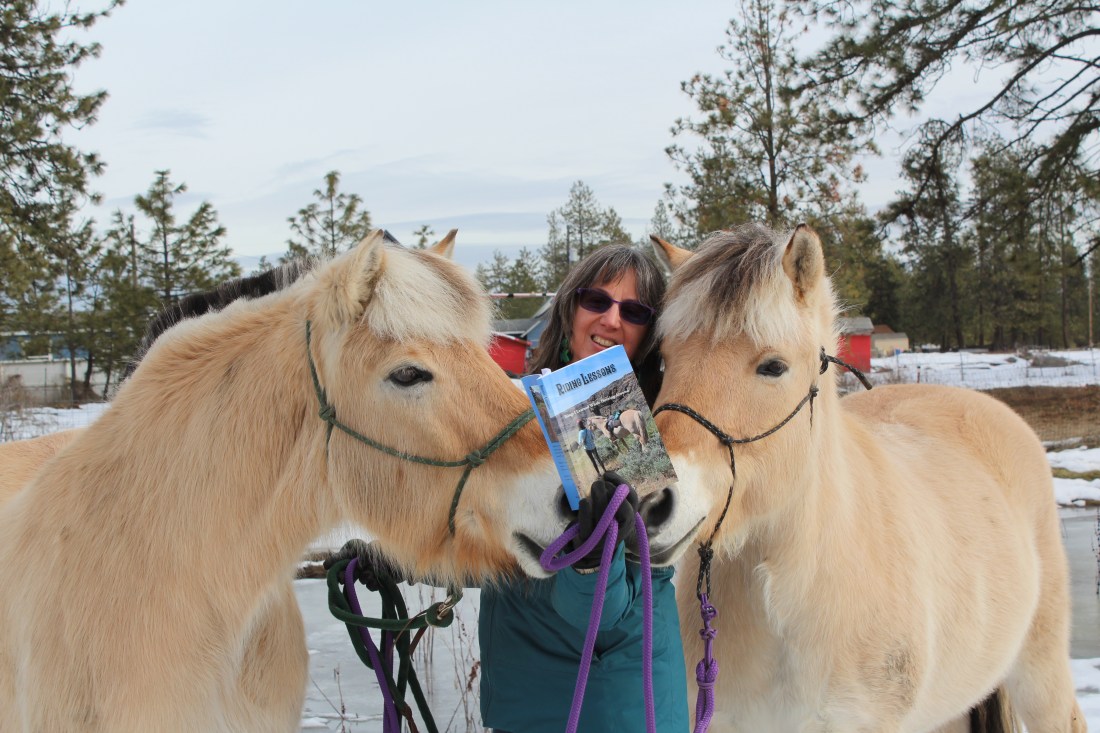
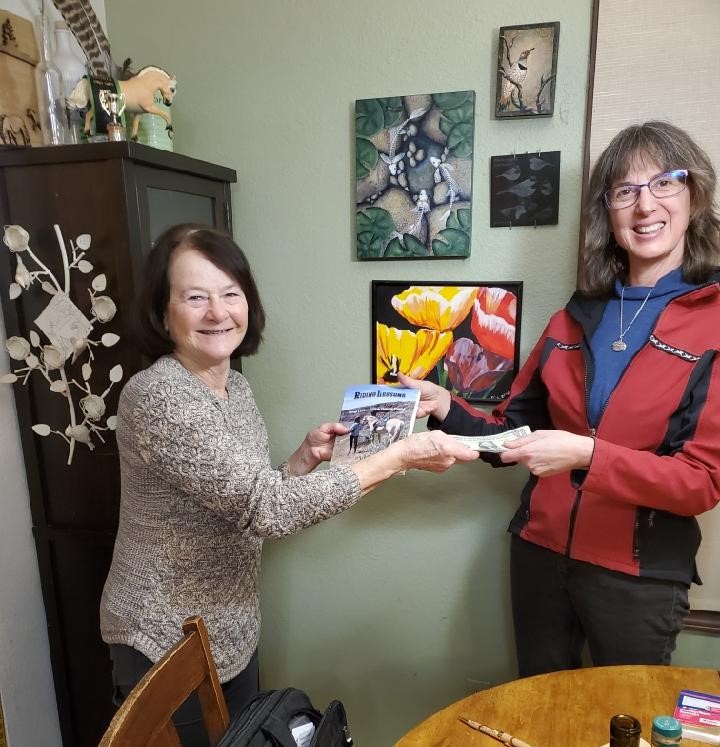
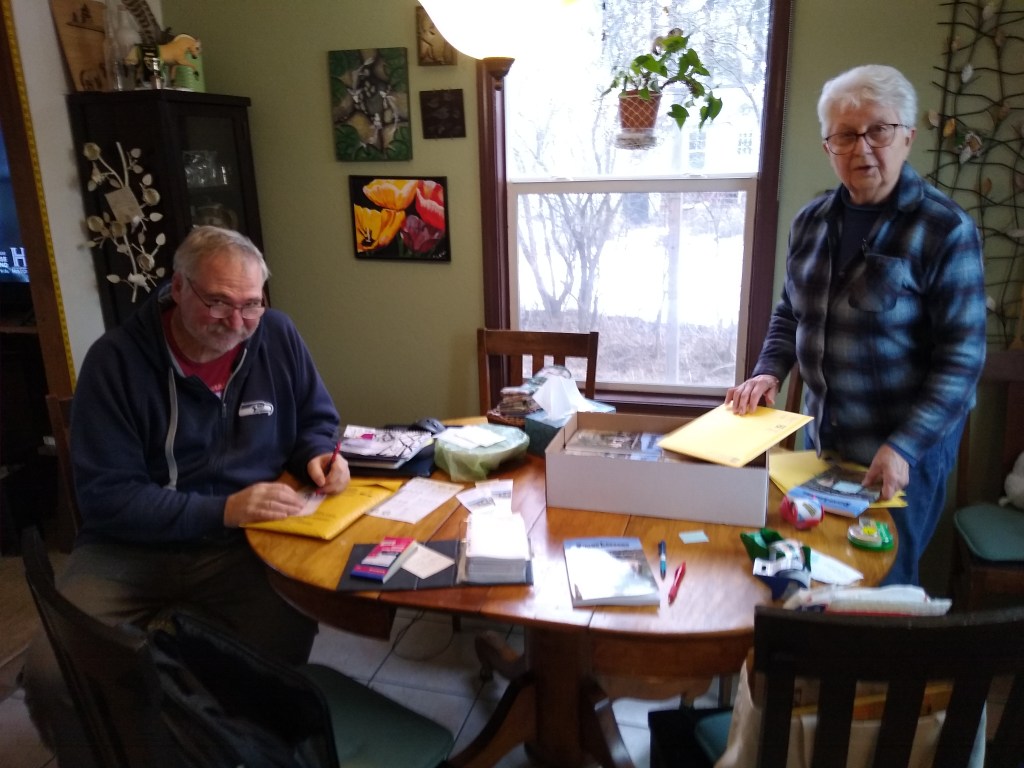
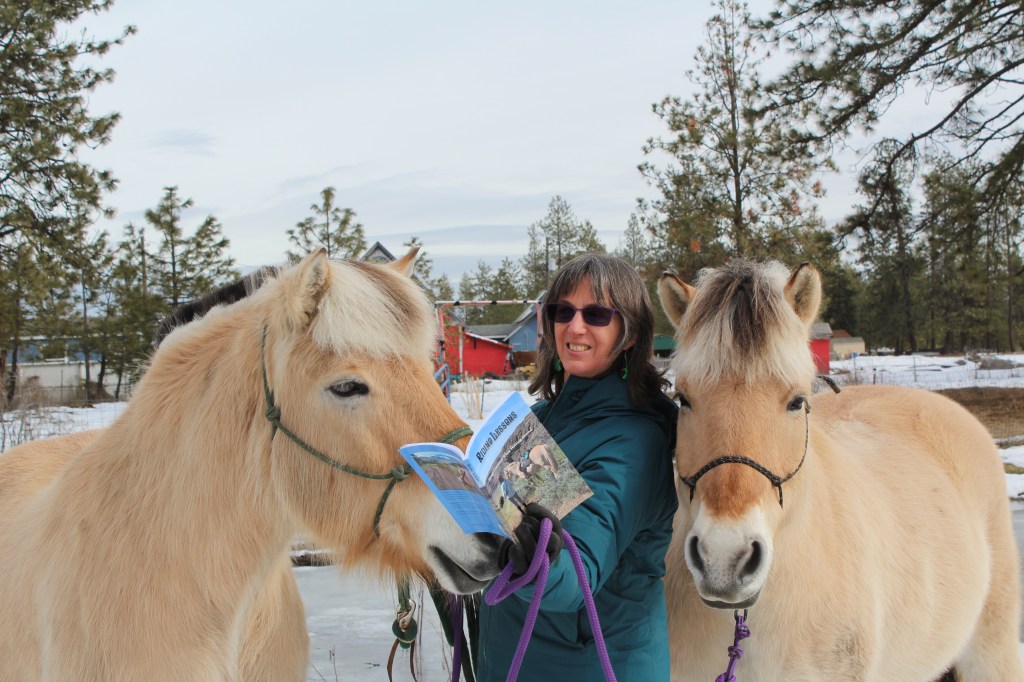
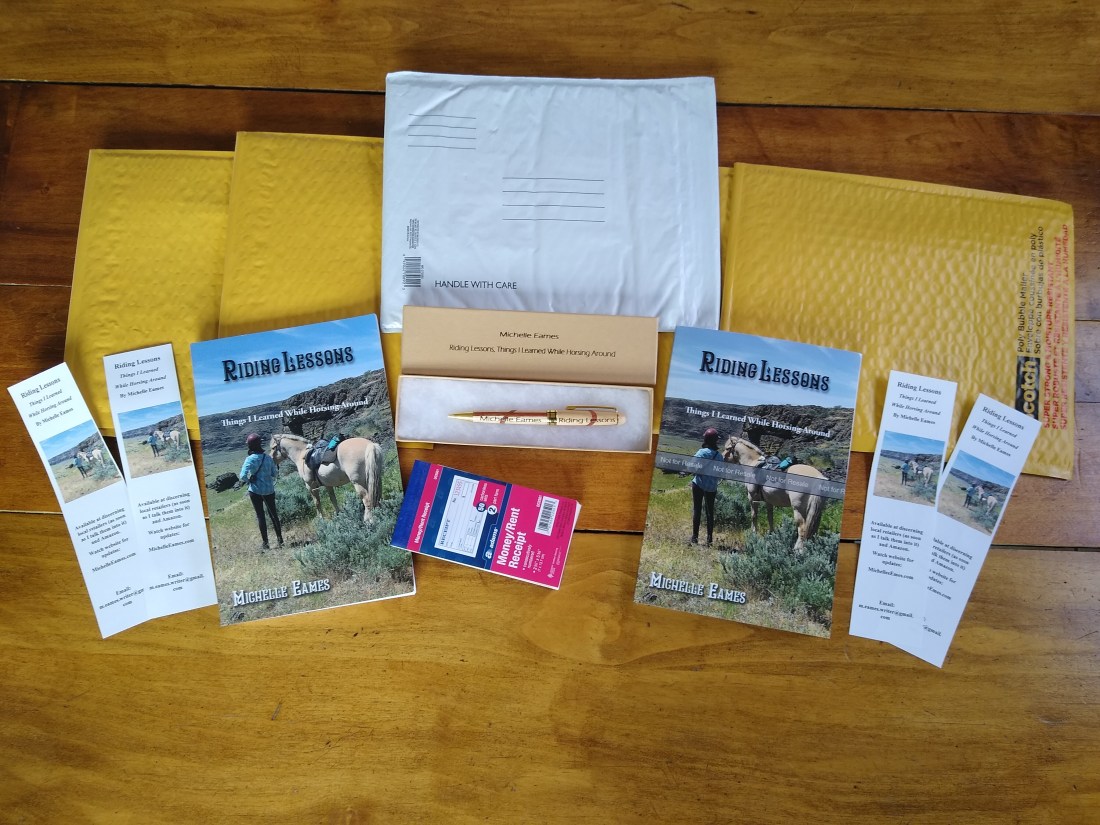
Pick up the first 100 printed books from the publisher. Take a moment and celebrate with a shot of whiskey. Ceremoniously sell the first book to a friend. Give her a receipt because you are a small business, and you have a receipt book. Then get back to work. Start mailing out promised gifts, promised signed copies, and working through that marketing spreadsheet. In between marketing steps, think about the next book. Place butt in chair.



 Michelle Eames